
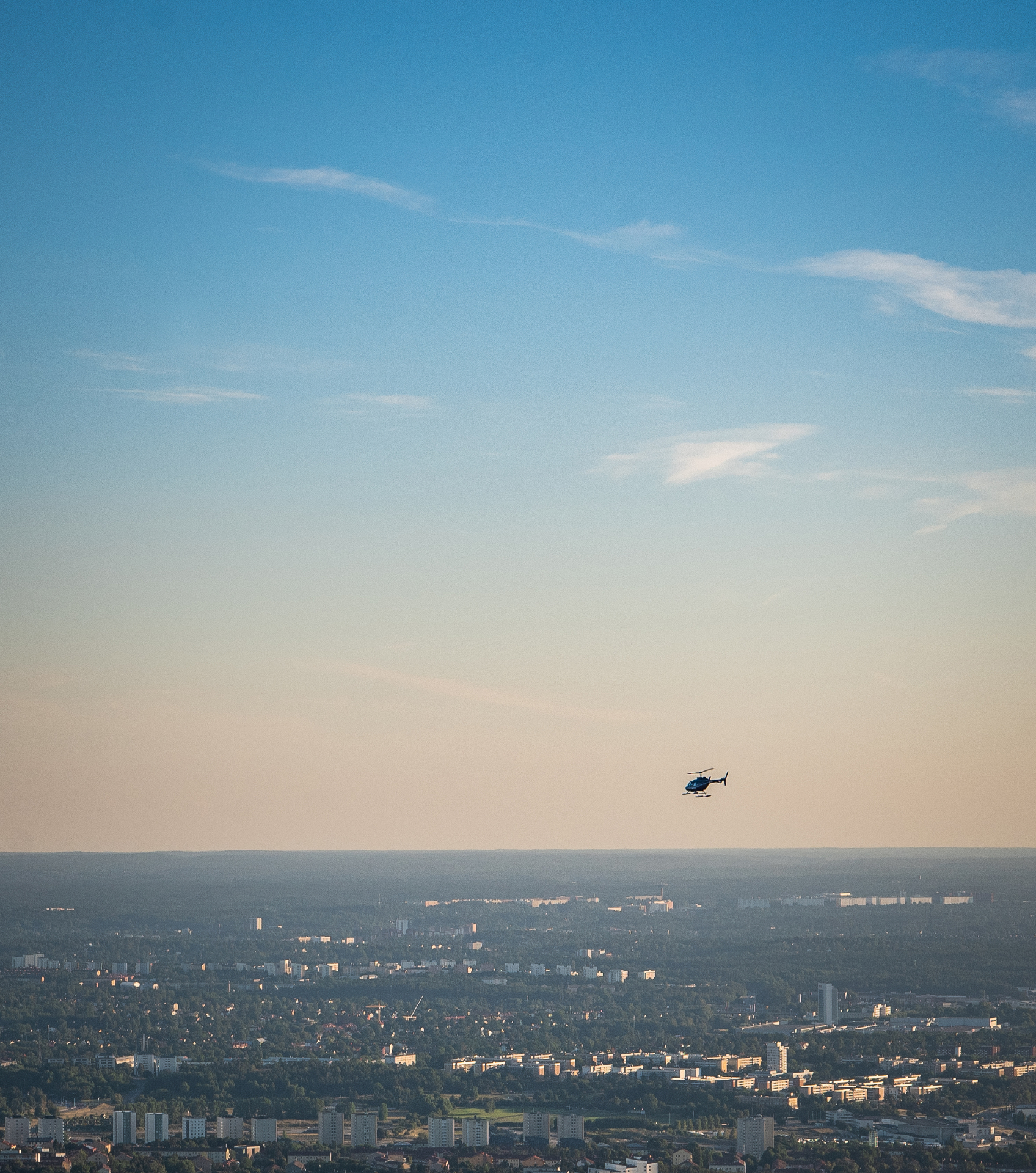
The airport
It is strictly forbidden to move around the airfield without our pilot or ground crew. Passengers must always be escorted by our staff before and after the flight.
Before start and after landing
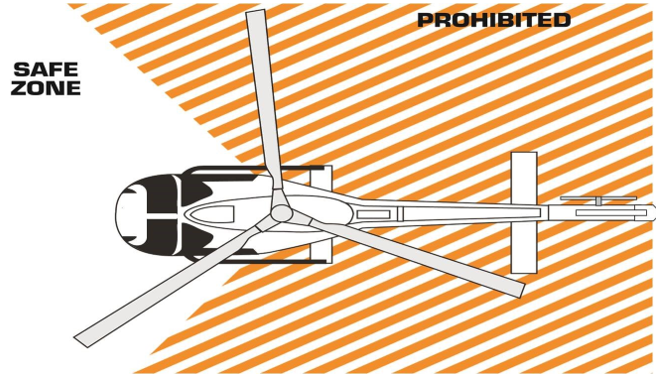
It is strictly forbidden to move behind or underneath the tail boom. Passengers must always move in front of the helicopter and under the supervision of the pilot or ground crew.
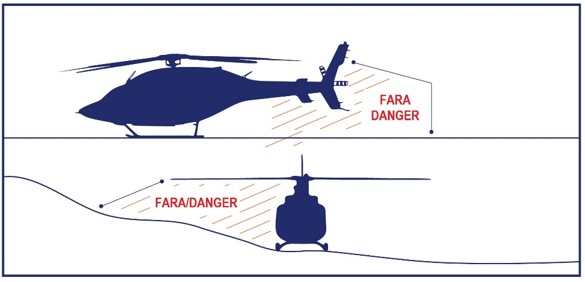
Warning
Sloping ground can reduce the clearance to the rotor blades.
Boarding and disembarking
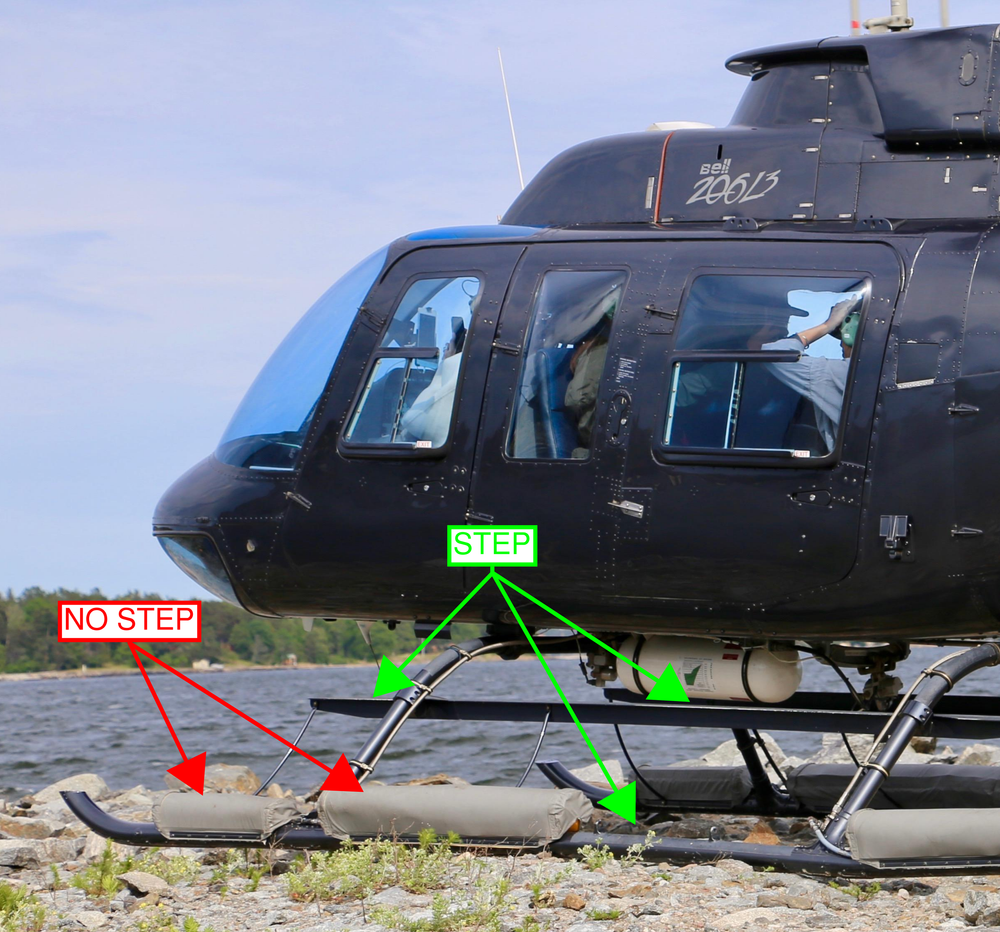
When entering or exiting the helicopter, only use the approved handles and foot steps that the crew has shown you.
Do not use the helicopter's doors or skids to support yourself.
Some helicopters have emergency floats designed to help the helicopter stay afloat during an emergency landing on water. See the instructions below for permitted and prohibited areas to step on.
Seatbelt
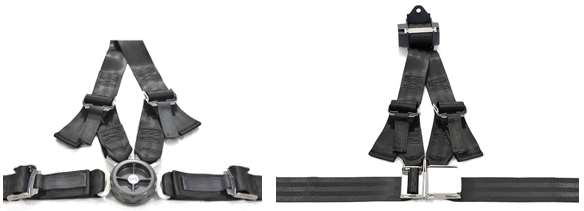
The front-seat safety belt is a 4-point harness. The pilot or ground crew will help you fasten it. To release the harness you either open the cover or twist the locking mechanism, depending on the type installed in that specific helicopter.
Rear-seat belts may be the same type as the front seat, or a 3-point version of the cover harness, or a 2-point version of the same type. The pilot or ground crew will make sure your seatbelt is properly fastened before takeoff.
Headsets
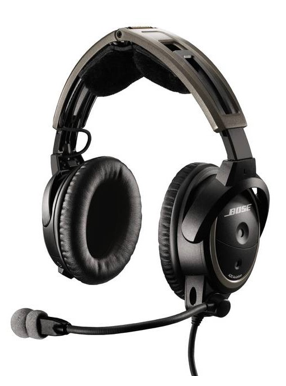
The helicopter is equipped with a headset for every passenger to enable communication between passengers and pilot. The microphone should be placed close (within 1 cm) to your mouth. Speak at a normal volume. If you can hear yourself, everyone else can hear you too.
During certain types of flights you will be able to hear radio traffic in the background. Avoid talking when you hear the radio in the background.
Sterile flight deck
We follow sterile flight deck procedures during critical phases of flight, such as takeoff and landing. During these phases you should not draw the pilot's attention unless it concerns a safety matter.
The pilot may also apply a sterile flight deck in other situations deemed necessary. The pilot can use the isolation function on the intercom to achieve this, during which you will not be able to speak to the pilot through your headset.
Life vests
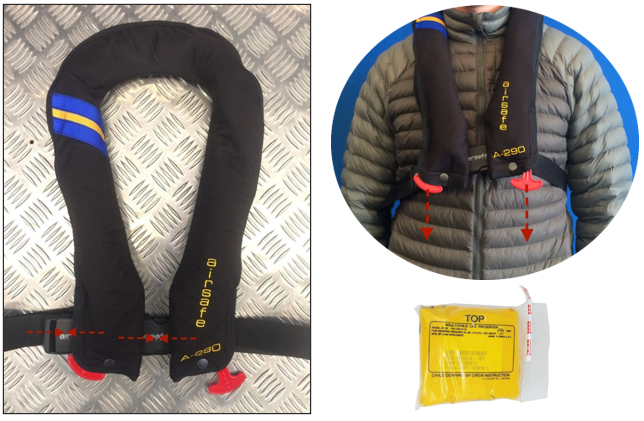
Life vests are stored in the center console for the front seat, under your seat or on the rear shelf in the back seat. Following instructions from the pilot:
- Remove the life vest from the plastic pouch
- Pull the vest over your head with the text facing forward
- Fasten the buckles and tighten the strap
- Exit the helicopter before inflating the vest by pulling the red tabs
The pilot may decide that life vests must be worn for the entire flight, in which case the type shown below will be used.
Portable electronic devices
Mobile phones and other transmitting devices must be kept in flight mode or turned off throughout the entire flight.
Power banks, e-cigarettes and spare batteries must not be placed in checked baggage; they must be carried on your person or in hand luggage where they can be monitored. Electronic devices must be protected from damage and short-circuiting, and power banks may not be used during the flight without the pilot's permission.
Emergency evacuation
In an emergency evacuation you may need to leave the helicopter on your own. If the pilot decides to initiate an emergency evacuation you shall:
- Release your seatbelt
- Open your door
- Exit in a safe direction (note the position of the rotor blades)
If the evacuation takes place on water – wait until you have exited the helicopter before inflating your life vest.
Generally prohibited items
For safety reasons the following materials and items must not be placed in cargo compartments or checked baggage and will not be transported:
- Explosive devices, including detonators, fuses, grenades, mines and explosives; explosive materials, ammunition, fireworks or flares.
- Gases: flammable, non-flammable, deeply cooled and toxic, such as camping gas or aerosols, propane and butane.
- Flammable liquids such as bleach, peroxides, petrol and methanol.
- Flammable solids and reactive substances, including magnesium, fire starters, fireworks and flares.
- Cigarette lighters.
- Oxidizers and organic peroxides (including bleaches), car body repair kits.
- Toxic or infectious substances, including rat poison, infected blood and pathogens.
- Radioactive materials, including medical or commercial isotopes.
- Corrosive substances (such as mercury) in thermometers, acids, alkalis and wet cell batteries filled with battery fluid, corrosives and vehicle batteries.
- Fuel-containing components of vehicle fuel systems.
- Magnetized material and all dangerous items listed in IATA's Dangerous Goods Regulations.
- Personal transportation devices (e.g. e-scooters and hoverboards), drones with large batteries, and damaged lithium batteries may not be brought on board without specific approval.
Prohibited items in carry-on
1. Weapons and firearms
Any item that can, or appears to be able to, discharge a projectile or cause injury, including:
- All firearms (pistols, revolvers, rifles, shotguns, etc.)
- Replicas and imitations of firearms
- Air pistols, rifles and pellet guns
- Flare pistols, starter pistols
- Toy weapons of all kinds, BB guns
- Industrial bolt and nail guns
- Stun or shock devices
- Energy weapons (electroshock weapons)
- Lighters shaped like a firearm
2. Pointed/edged weapons and sharp objects
Pointed or bladed items that may cause injury, including:
- Axes, arrows, crampons, harpoons and spears
- Ice axes and ice picks, ice skates
- Locking or folding knives with blades of any length; knives with blades longer than 6 cm of metal or another material strong enough to be used as a weapon
- Open razors and razor blades (excl. safety or disposable razors with blades enclosed in a cartridge), sabers, scalpels, scissors
- Throwing stars
- Craft tools that can be used as weapons – drills, box cutters, utility knives, saws, screwdrivers, crowbars, pliers, wrenches and blowtorches
3. Blunt instruments
Any blunt instrument that can cause injury, including:
- Clubs or batons – rigid or flexible – e.g. billy clubs, blackjacks, night sticks and batons
- Martial arts equipment such as knuckledusters, clubs, coshes, rice flails, nunchakus, kubotan
4. Explosive and flammable substances
Any explosive and/or highly incendiary substance that poses a risk to passengers, crew or the helicopter.
5. Electronic equipment
For safety reasons, use of personal electronic equipment is strictly prohibited during takeoff and landing. Mobile phones may be used for filming and photography, but the device must be in flight mode throughout the flight. Other electronic equipment may only be used with the pilot in command's consent.
6. Smoking
Smoking is prohibited in all our helicopters and on the airfield.
Questions about safety before your flight? Contact us at info@arnheli.se.